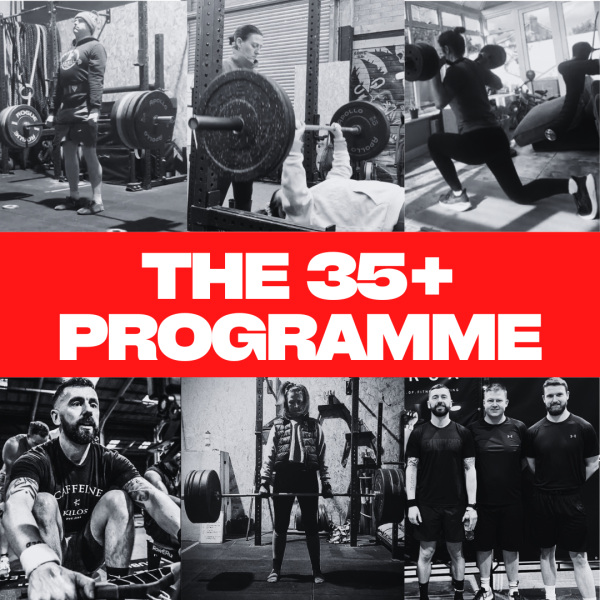
One of the the main goals of The 35+ Programme is to keep people healthy and well as we move in to our 40, 50s, and beyond. Understanding blood pressure is an important aspect of health - here's a short piece I put together for my members to help them understand the basics.
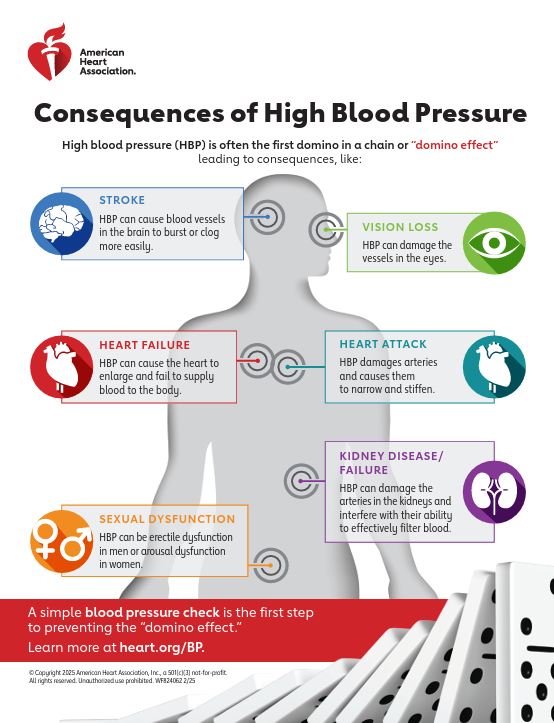
High blood pressure can quietly damage the body for years before symptoms occur.
The main complication we associate with it is heart attack or stroke, but high blood pressure can damage the brain, eyes, kidneys, negatively affect bone health, and increases the risk of sexual conditions like erectile dysfunction.
Let’s take a look at how high blood pressure occurs and how we can push back.
Why is high blood pressure bad?
In a person with normal blood pressure blood flows freely through healthy arteries delivering nutrient and oxygen rich blood to the organs and tissues. When blood pressure is high this damages the cells of the lining of the arteries.
Because of this we want to limit the amount of time we ever spend outside a normal blood pressure range. The longer time spent there the more damage is done to bodily systems.
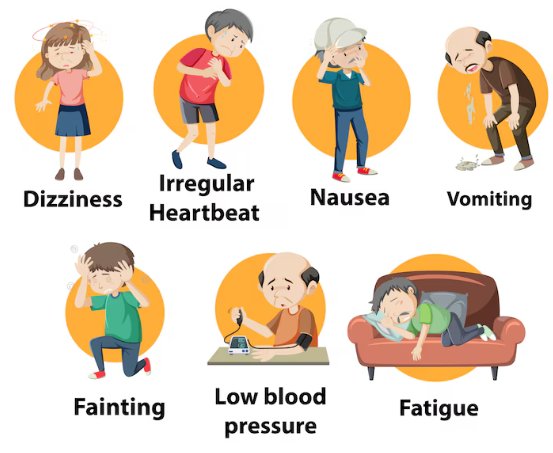
While high blood pressure can silently affect you it is important to know that there are symptoms which can occur.
What causes high blood pressure?
There are many factors which can contribute to high BP. Age (more likely to get it as you get older), being overweight, lack of exercise, smoking, drinking too much alcohol, chronic stress, too much salt in your diet, and long term sleep deprivation are some.
The key is to take control of the factors you can influence to help keep BP in a healthy range.
What should I want my blood pressure to be?
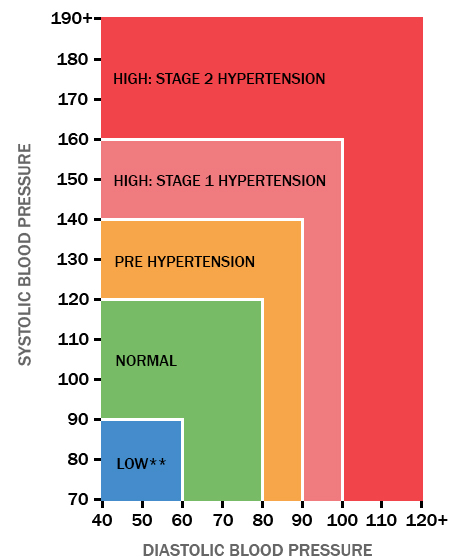
The graph above shows the ranges of blood pressure and where you do and don’t want it to be.
In terms of monitoring it your doctor will use a monitor to take a reading at a consult, or you could purchase a monitor and take readings at home.
A 24 hour continuous blood pressure monitor is the gold standard for assessment and is generally used to look more closely past what monitors can do.
You can see from the chart that blood pressure is measured using two numbers, systolic and diastolic pressure. My last reading was 110/70. Use the chart starting from the left to see where that falls.
How to prevent and reduce high blood pressure.
Exercise regularly and be active out side the gym.
Firstly, make sure you’re cleared by your doctor to exercise. After that, strength training, aerobic exercise, and being active outside of the gym will all have a positive impact on your blood vessels and heart.
On The 35+ Programme we aim to do anything up to 5 gym sessions per week to support our well-being. The strength and conditioning (aerobic exercise) workouts are perfect for helping to safeguard our health.
One of my favourite sessions that I encourage people to always try and fit in is the Long Conditioning Day. This is a 20-40 minute conditioning session which should be approached at a more moderate pace. Your heart rate is raised for the duration, and long term this is hugely beneficial for heart health. A stronger heart pumps blood with less effort, and this also reduces the pressure on blood vessels.
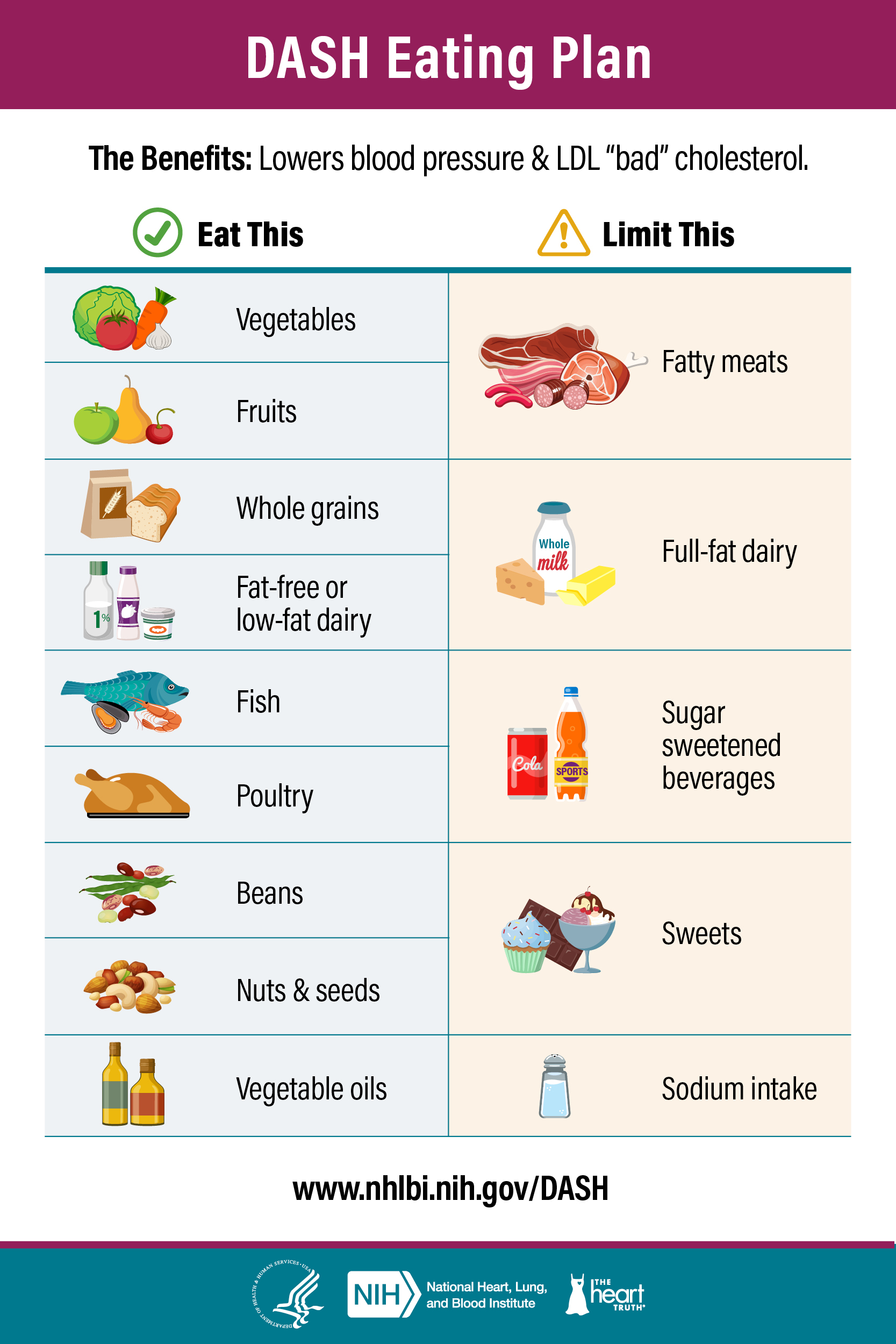
Eat a healthy diet, limit salt to less than 5 grams per day, and live at a healthy weight.
Exercise plays a huge role in health, but nutrition and managing weight is also crucial. Here’s how we do it on 35+.
There is a dietary approach recommended specifically for high blood pressure, the DASH diet (dietary approaches to stop hypertension). It mirrors healthy food based dietary guidelines, which many developed countries have moved away from.
With weight, you want to avoid the duo of fat build up around your midline and being outside a healthy BMI. There can be many reasons this might happen, but looking objectively at the cause it happens due to the overconsumption of the foods which need to be limited.
A closer look at salt intake.
Too much salt in your diet causes high blood pressure. We retain more fluid, this puts pressure on blood vessels and makes the heart work harder.
Even if you don’t think you use salt to season your food your intake may be high as salt is used in many processed foods as both a flavour enhancer and preservative.
It’s important to note as well that some people are salt sensitive, with higher than recommended salt intake affecting them to a worse degree than normal.
A heathy diet based on 35+ principles helps regulate salt intake.
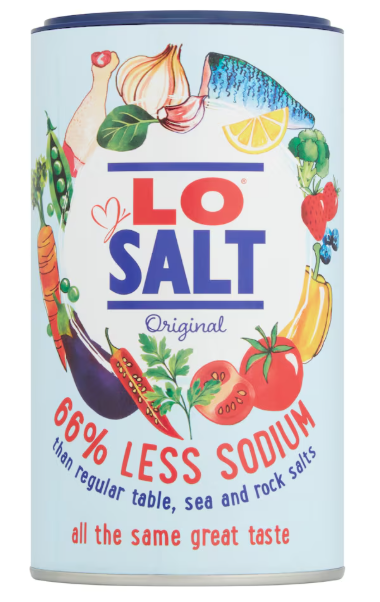
Use lower sodium salts to help regulate healthy blood pressure.
Don't smoke, limit alcohol intake, get enough sleep, and keep stress down.
It should be a given that we don’t smoke due to the many negative effects it has on health (add high blood pressure to the list).
Alcohol intake can be a trickier one as many people enjoy having a few drinks socially. Just keep in mind (especially if you have been diagnosed with high blood pressure) that regular heavy drinking or binge drinking can cause blood vessels to constrict and become narrower.
With stress, being in a constant state of high stress means elevated hormone levels (cortisol, adrenaline) which in turn keeps blood pressure high. Poor sleep patterns are linked to this - higher stress, chronically elevated hormones, and being much less likely to stick to a fitness and nutrition programme.
How The 35+ Programme helps promote healthy blood pressure.
The training programme covers both strength and aerobic exercise, week in, week out, across the year. Our long conditioning day is one of my favourites for a healthy heart.
Our nutritional approach is way more than a fat loss programme. We base it on actual dietary guidelines that promote good health. There is a recipe library with 100s of meal ideas, and this approach pushes us away from higher salt intake associated with ultra processed food and high blood pressure.
The 35+ Programme. Your best years are ahead of you.